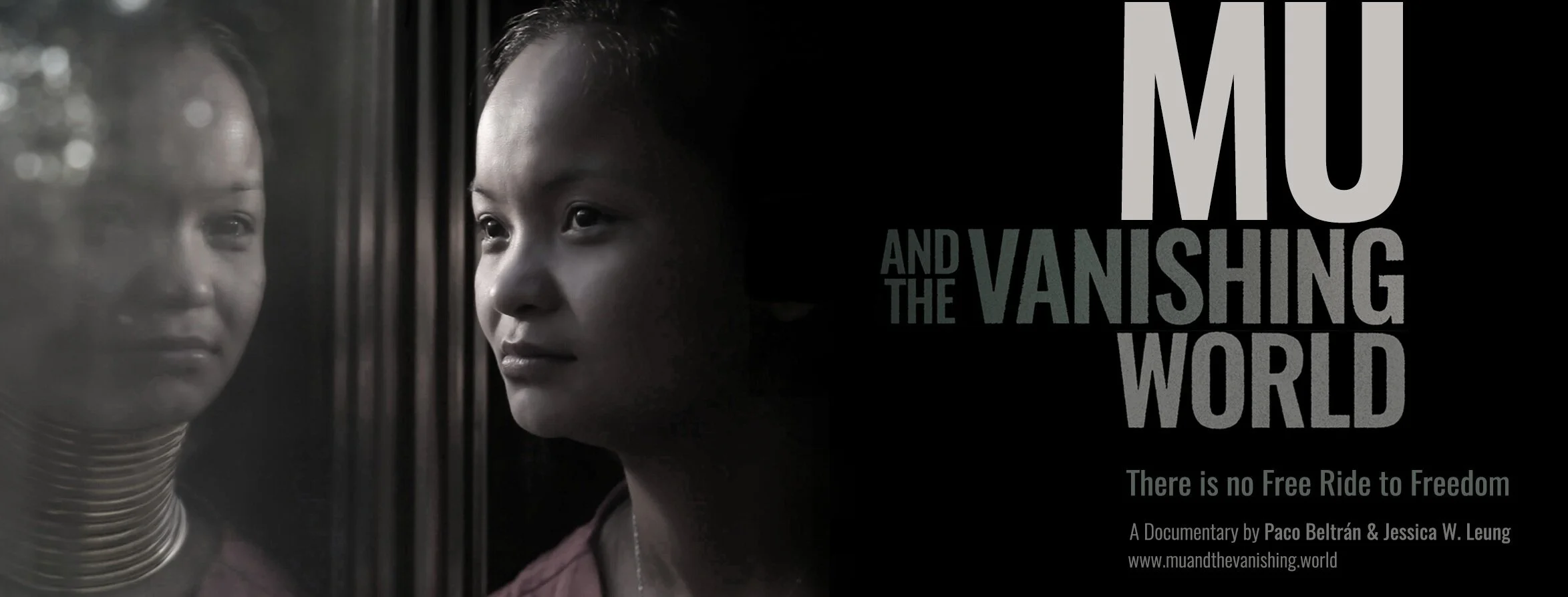
Myanmar is home to many ethnic nationalities, the largest of which are the Burmese who have governed through a military junta for six decades. Tribes such as the Kayan and the Karenni that are featured in the movie have been the victims of long term systematic persecution by the Burmese military. Due to that incessant state of civil war hundreds of thousands of citizens have been forced through the years to flee into neighboring countries.
When we started production in 2008 some 150,000 people were living in nine refugee camps along the Thai-Myanmar border. Our visit to the area coincided with the announcement by the UNHCR of a resettlement plan that would give refugees the opportunity to start a new life in other countries after many years languishing in the camps. To our surprise, the US was willing to accept almost anyone wanting to go.
The decision to apply for resettlement was up to each individual and would cause families and communities to split. In Mu and her people we recognized powerful, strong characters capable of driving the unfolding story.
As nations have become more isolationist over the past decade, refugees have been made scapegoats for a whole raft of problems. Politicians have apportioned blame for lack of jobs, for drug trafficking, rape and murder, as well as for the spread of diseases to persons seeking asylum. We want to shed light on the realities of resettled persons in America to help quell the current myths about refugees and to show that they are more often an asset to the communities in which they settle.
Their journey is not the free ride that some people often assume.